03/09/25
5 Minute Read
The Evolution of the Apple Logo
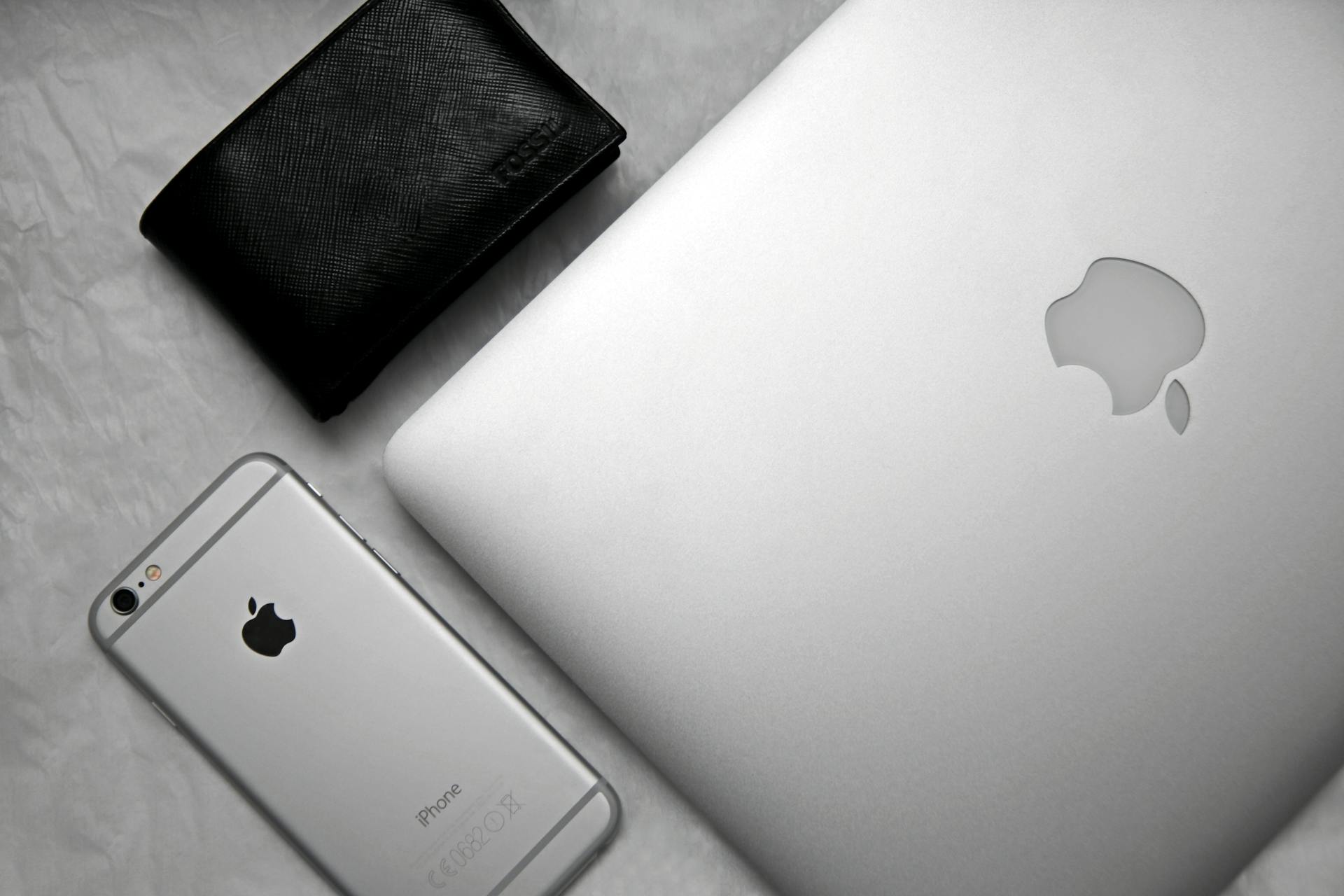
Few logos are as instantly recognisable as Apple’s. From its rainbow striped beginnings to the sleek silhouette we know today, the Apple logo has become much more than a mark. It is now a global symbol of innovation, design excellence, and cultural influence. In this article we will trace how the logo evolved and reveal what each stage says about Apple’s journey.
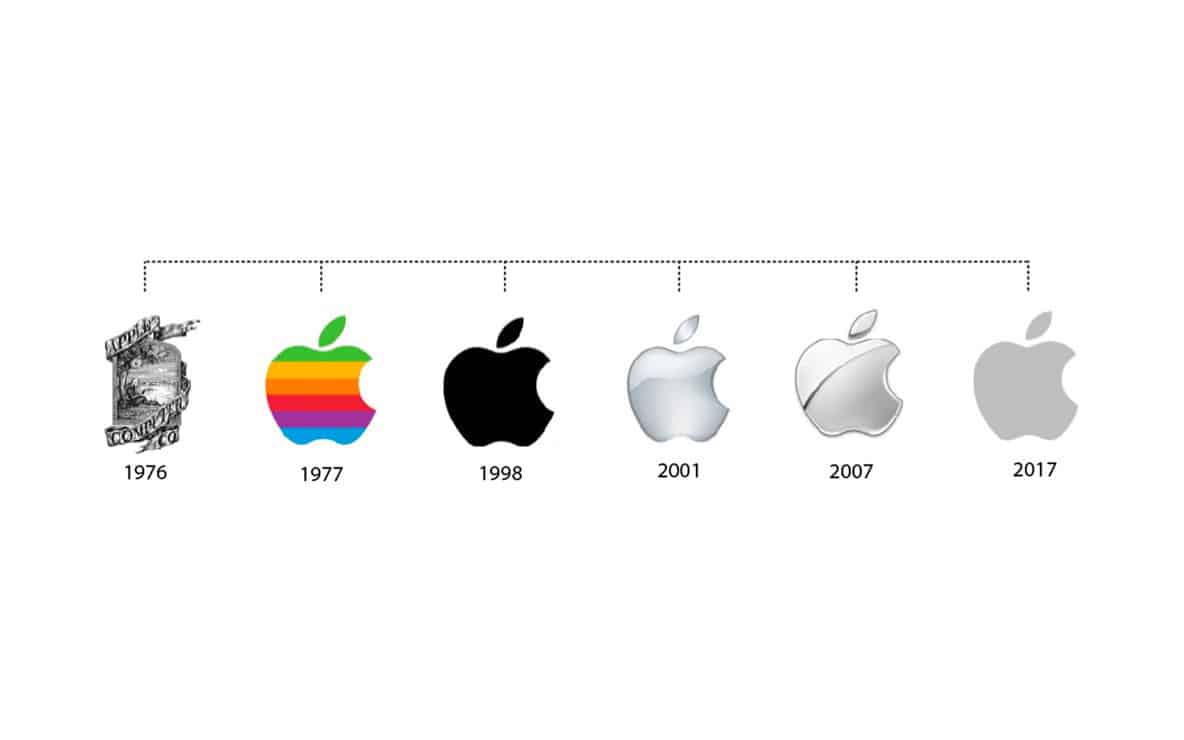
1976 – The Original Apple Logo
The very first logo, drawn by co founder Ronald Wayne, showed Isaac Newton under an apple tree. It even carried a banner reading “Apple Computer Co.” Although rich in concept, it was too complex for real use. It lacked scalability, clarity, and simplicity. These qualities were vital for a young technology company. The ornate style looked more like a bookplate than a modern logo. Apple quickly realised the need for a cleaner and more contemporary symbol.
1977 – The Rainbow Apple
Just one year later designer Rob Janoff created the bitten apple shape filled with rainbow stripes. The bite ensured the fruit was not mistaken for a cherry or tomato. The rainbow celebrated the Apple II, one of the first personal computers to display colour. This change marked a turning point. Suddenly Apple felt friendly, human, and accessible. At a time when IBM looked cold and corporate, Apple positioned itself as creative, colourful, and different.
1998 – The Monochrome Apple
When Steve Jobs returned in the late 1990s, Apple needed a new direction. The rainbow was retired and a monochrome apple took its place, often in black, silver, or chrome. This logo matched the design of the iMac G3 and future products. Clean, minimal, and versatile, it reflected a brand that had embraced elegance and high end design. More than a visual update, it signalled Apple’s shift toward simplicity and refinement.
2001 to 2007 – Glass and Aqua Effects
As Apple explored textures, shadows, and reflections in its software, the logo evolved once more. With the launch of Mac OS X, it gained a glass like, three dimensional effect that echoed the Aqua interface. Glossy and dimensional, it appeared on products, packaging, and marketing. These effects were of their time, yet they helped bridge the digital and physical worlds. Apple’s logo now carried a sense of realism that resonated with users.
2013 to Present – Flat and Timeless
With iOS 7, design moved back to flat simplicity. The Apple logo followed. Reduced to solid black, white, or silver, it became clean, versatile, and timeless. This version works across every format, from MacBooks to iPhones to global campaigns. It reflects Apple’s luxury status. Understated, sophisticated, and instantly recognisable.
Why the Evolution Matters
Apple’s logo has never changed simply to follow trend. Each stage has mirrored a deeper shift in identity, philosophy, or product direction. From the rainbow optimism of the 1970s to the sleek minimalism of today, the Apple logo tells a story of innovation and reinvention. It is not just a symbol. It is a strategic design decision at every stage. See their current website.
Logos tell stories that evolve with brands. Explore our visual identity projects to see how we have helped businesses define and redefine theirs.